Welcome to the PMT Education Blog, a hub catering to students, parents, and teachers alike. Here, you’ll find a wealth of articles and resources designed to empower all members of the educational community. Explore topics ranging from student success and parenting tips to teaching strategies and more.
Didn't receive any university offers? Don't fret – there are still plenty of pathways to explore. From UCAS Extra to considering vocational qualifications or taking a gap year, this guide offers you a multitude of options. It's not the end of the road, just a different direction, and we're here to help you navigate your options with confidence.
Read More
Wondering how to motivate your teen to study? Helping a teenager stay motivated can be challenging, especially during exam season. This parent guide explores practical strategies to help you support your child, including tips on managing distractions, reducing overwhelm, and encouraging more independent revision habits.
Read More
Supporting students with dyslexia isn't about lowering expectations – it’s about removing the barriers that stop them from showing what they know. In this article, English teacher Amy C. explores 11 strategies for a dyslexia-friendly classroom, from adapting instructions and reducing cognitive load to making reading more accessible.
Read More
Discover how to make essay feedback more meaningful and effective in your English tutoring practice. This guide explores practical strategies for giving clear, structured feedback that builds confidence and helps students understand exactly how to improve their essay writing skills.
Read More
 Parents
AI is now part of your child’s schoolwork—but is it helping, or doing the thinking for them? This article breaks down what you need to know about AI’s impact on learning, including critical thinking, decision-making, and problem-solving skills, and offers practical tips to help your child use AI wisely.
 Teachers
Discover how Rosenshine’s Principles of Instruction can transform your classroom teaching. This article breaks down Rosenshine’s 10 evidence-based strategies—from modelling and scaffolds to questioning and guided practice—and offers practical tips to help students understand, retain, and apply knowledge more effectively.
 Tutors
Effectively tutoring learners with maths anxiety can transform their experience of maths. By revisiting the fundamentals, addressing knowledge gaps, practising exam techniques, and creating a safe, supportive environment, you can help students build confidence and reach their full potential.
 Parents
Mock exams are an important part of your child’s learning journey, helping to identify strengths and weaknesses, develop exam technique, and build confidence ahead of their final GCSE and A Level exams. This guide explains when mocks take place, why they matter, and how you can support your child’s preparation.
 Teachers
What is adaptive teaching? This article explores how flexible, responsive teaching can help meet the needs of every learner without lowering expectations. Written by an experienced classroom teacher, it considers what adaptive teaching looks like in practice and reflects on whether it’s a new concept or simply good teaching reframed.
 Tutors
Tutoring students with ADHD requires flexibility, structure, and understanding. This guide offers tutors practical strategies for adapting lessons, using visual tools, supporting organisation and revision, and creating an encouraging environment where students can focus, grow, and thrive.
 Students
Crafting your personal statement is a key part of your university application. These 10 personal statement tips cover planning, demonstrating enthusiasm, proofreading, and managing the character count to help you create a unique, compelling statement that will impress admissions tutors and strengthen your application.
 Students
Applying to university? The new UCAS personal statement 2026 format replaces the single long statement with three focused questions, making applications clearer, fairer, and easier to structure. In this article, we explain the update and share practical advice to help you plan, write, and submit a standout personal statement for university.
 Students
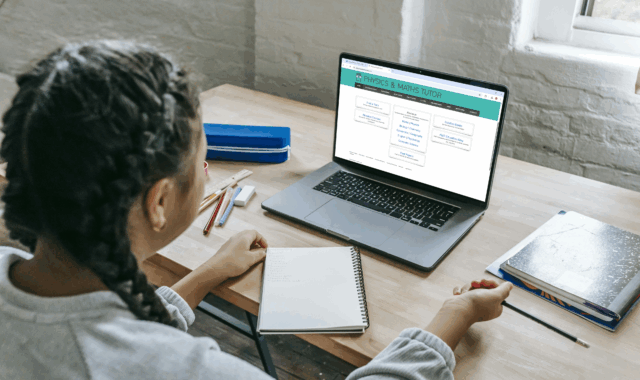
Preparing for GCSEs or A Levels? Having the right revision resources matters. While Save My Exams offers high-quality revision materials via a paid subscription, Physics & Maths Tutor is an excellent free alternative. This article compares both sites and explains why Physics & Maths Tutor is a go-to option for students and teachers alike.
 Students
Physics and Maths Tutor is a free, UK-based website packed with high-quality revision resources, including past papers, mark schemes, notes, practice questions, flashcards, and more, across a wide range of subjects. This guide explains how to navigate the site and make the most of its free resources to boost your exam performance.
 Students
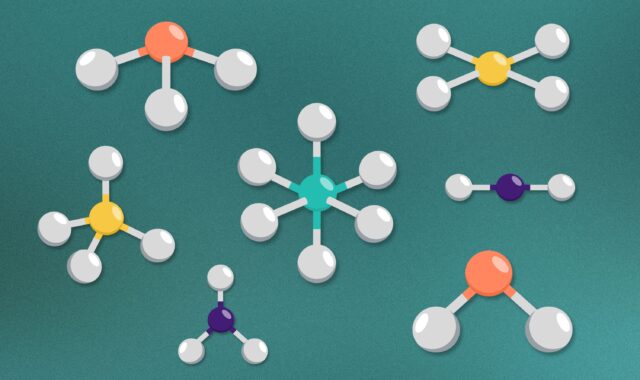
VSEPR theory is central to organic chemistry, helping predict molecular shapes and bond angles. This guide explains how electron pairs arrange themselves to stay apart, with clear examples. By learning the basic shapes and effects of lone pairs, you’ll be ready to tackle any exam question on molecular geometry.
 Parents
From university entry to future career opportunities, A Level grades play a vital role in your teen’s next steps. But how does the A Level grading system actually work? Our “A Level grades explained” guide covers everything parents need to know, including how A Level grades are calculated, how they translate into UCAS points, and more.

Discover a zero-fuss platform where you can search for high-calibre tutors, meet for interactive lessons and track progress – all in one place.


Comprehensive STEM (Science, Technology, Engineering, Maths, and Medicine) resources.

Affordable crash courses for GCSE, AS and A Level and University Admissions preparation.